


Discover Southeast Asia's Hidden Gems: Underrated Destinations to Explore and Love
Southeast Asia is famous for its iconic spots like Bali, Bangkok, and Halong Bay. Yet, beyond these well-trodden paths lie lesser-known destinations that offer unique experiences, untouched beauty, and rich local culture. These underrated places often escape the tourist crowds, giving travelers a chance to connect more deeply with the region’s heritage and natural wonders. This post highlights some of Southeast Asia’s most overlooked travel gems, sharing what makes them special and how to explore them with respect and curiosity.
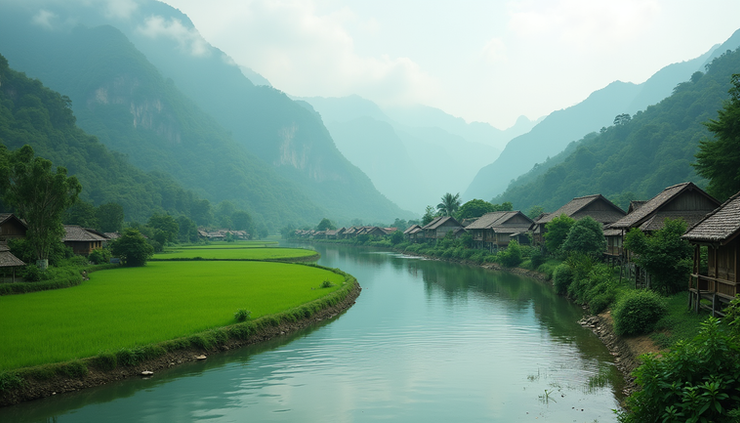
Ban Gioc Waterfall, Vietnam
Ban Gioc Waterfall sits on the border between Vietnam and China and is one of the largest waterfalls in Asia. Despite its impressive size and stunning scenery, it remains off the radar for many travelers. The waterfall cascades down multiple tiers surrounded by limestone karsts and dense forests, creating a dramatic and peaceful setting.
Local Culture and Attractions
The nearby Cao Bang province is home to ethnic minority groups such as the Tay and Nung people. Visitors can explore traditional stilt houses, sample local cuisine like thang co (a horse meat stew), and learn about indigenous crafts. The area also offers caves and historical sites linked to Vietnam’s revolutionary past.
Tips for Travelers
Visit during the rainy season (May to September) for the fullest waterfall flow.
Hire a local guide to explore nearby caves and villages safely.
Stay in homestays to support local communities and experience authentic hospitality.
Bring cash, as ATMs are scarce in this remote region.
Si Phan Don (Four Thousand Islands), Laos
Si Phan Don is a laid-back archipelago in the Mekong River, near the Cambodian border. It’s a place where time slows down, and visitors can enjoy river life, waterfalls, and rare wildlife like the endangered Irrawaddy dolphins.
Unique Experiences
The islands offer cycling routes through rice paddies and small villages. Don Khon and Don Det are popular for their relaxed atmosphere, waterfalls like Li Phi, and remnants of French colonial railway tracks. Kayaking and boat trips provide a chance to spot dolphins and explore the river’s channels.
Cultural Insights
The local Lao communities maintain traditional fishing and farming lifestyles. Festivals such as Boun Ok Phansa, marking the end of Buddhist Lent, are colorful and meaningful events to witness.
Travel Tips
Rent a bicycle to explore the islands at your own pace.
Avoid the peak tourist season (December to February) for a quieter experience.
Respect local customs, especially when visiting temples and homes.
Use mosquito repellent and bring lightweight rain gear.
Ternate Island, Indonesia
Ternate is a volcanic island in the Maluku Islands, historically known as the Spice Islands. It played a crucial role in the global spice trade but remains largely undiscovered by mainstream tourists.
Attractions and Activities
Visitors can hike to the summit of Mount Gamalama for panoramic views or explore the Sultan’s Palace, a symbol of the island’s rich history. The island’s beaches are pristine, and snorkeling around the coral reefs reveals vibrant marine life.
Cultural Highlights
Ternate’s culture blends Islamic traditions with indigenous customs. Local markets sell cloves, nutmeg, and other spices, reflecting the island’s heritage. Traditional music and dance performances offer insight into the community’s identity.
Tips for Visitors
Flights to Ternate are limited; plan connections carefully.
Hire a local guide for hiking and cultural tours.
Try local dishes such as papeda (sago porridge) with fish.
Bring cash and basic supplies, as options are limited outside the main town.
Koh Rong Samloem, Cambodia
While Cambodia’s Angkor Wat draws millions, Koh Rong Samloem remains a tranquil island escape. It offers white sandy beaches, clear waters, and a relaxed vibe without the crowds of its neighbor Koh Rong.
What to Do
Snorkeling and diving reveal coral reefs teeming with fish. The island has several hiking trails through jungle and coastal areas. Small beach bars and eco-resorts provide a peaceful atmosphere for unwinding.
Local Life
The island’s fishing villages give a glimpse into traditional Cambodian island life. Fresh seafood is abundant, and visitors can learn about sustainable fishing practices.
Travel Advice
Take a ferry from Sihanoukville; avoid peak holiday weekends.
Choose eco-friendly accommodations to support conservation efforts.
Bring cash and basic necessities, as shops are limited.
Respect the environment by avoiding single-use plastics.
Phong Nha-Ke Bang National Park, Vietnam
Known for its massive caves, Phong Nha-Ke Bang is a UNESCO World Heritage site that remains less visited than other natural wonders in Southeast Asia. The park features some of the world’s largest caves, underground rivers, and limestone karsts.
Highlights
Son Doong Cave, the largest cave on Earth, requires advance booking and permits. Other caves like Paradise Cave and Phong Nha Cave are accessible to most travelers. The park also offers trekking, zip-lining, and river cruises.
Cultural Connections
The local villages around the park are home to ethnic minorities with unique customs and crafts. Visitors can learn about their way of life and support community tourism initiatives.
Tips for Exploring
Book cave tours through reputable operators.
Wear sturdy shoes and bring a flashlight for cave exploration.
Visit during the dry season (February to August) for easier access.
Respect cave environments by not touching formations or leaving trash.





Comments