


Bali Wellness Retreat vs. Resort Spa Escape: How to Pick the Right One
Bali's wellness reputation is so strong that the terms get used interchangeably — “retreat,” “wellness escape,” “spa holiday” — as if they're all the same trip with different marketing. They're not, and picking the wrong one is the most common regret we hear about after the fact. One traveler wants five structured days of yoga, silence, and a locked phone. Another wants a beautiful pool, an excellent spa menu, and the freedom to skip a session for a beach club afternoon. Both are valid. They are not the same trip.

What's the Difference Between a Bali Wellness Retreat and a Resort Spa Escape?
A wellness retreat is a structured, often multi-day program built around a specific practice — yoga, detox, silence, healing — with a set schedule, group activities, and a facilitator guiding the experience. A resort spa escape is a self-directed luxury stay at a hotel or villa with excellent wellness amenities (spa, yoga classes, healthy dining) available on your own schedule, without a program dictating your days.
Neither is “more luxurious” than the other by default — Bali's dedicated retreats range from rustic, no-talking properties to eco-conscious sanctuaries with private pools and personalized healing programs, and resort spa escapes range from mid-range to five-star. The real difference is structure versus freedom.
Signs a Structured Retreat Is Actually What You Want
A real retreat isn't a hotel stay with extra yoga. Popular Bali retreat centers include options built around plant-based cuisine and riverside healing spaces, yoga teacher trainings and holistic immersion, luxury longevity programming, and smaller, more private mindfulness-focused villas — each with its own philosophy, and each expecting you to follow its schedule, not build your own.
You're a good fit for a structured retreat if:
• You want the schedule made for you, not another decision to make on vacation
• You're drawn to a specific outcome (detox, a fitness reset, processing a life transition) rather than general relaxation
• You don't mind — or actually want — a phone-light or fully silent structure
• You're comfortable with communal meals, group sessions, and less flexibility to skip a day
Zensseys Tip: Read a retreat's daily schedule before booking, not just its photos. Some programs run 6am to 9pm with almost no unstructured time; others build in genuine free afternoons. If you've never done a structured retreat before, a 3-4 day program is a far gentler introduction than committing to a full week.

Signs a Resort Spa Escape Fits Better
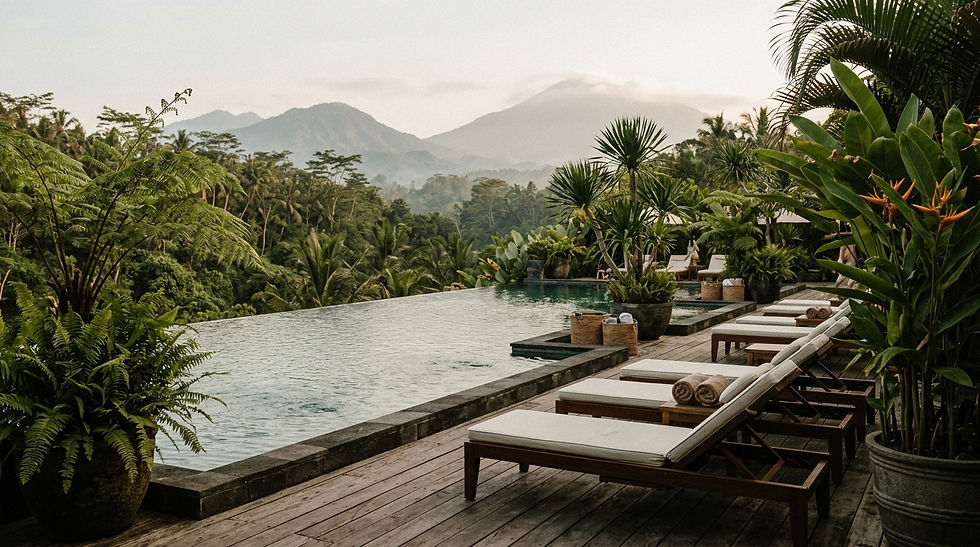
If the idea of a fixed 6am schedule sounds like the opposite of a vacation, a resort spa escape is the better call — a luxury property with strong wellness infrastructure (spa, yoga, clean dining options) that you dip into on your own terms, alongside a normal holiday's freedom to explore, dine out, or do nothing at all.
This is where the Zensseys Niskala Wellness Escape fits naturally: it's built for travelers who want genuine wellness programming without giving up the flexibility of a regular luxury stay. It's the better starting point if you're newer to wellness travel, traveling as a couple where only one person wants the spa focus, or simply don't want your whole trip dictated by someone else's schedule.
Zensseys Tip: A Slip silk eye mask and pillowcase set is worth packing either way, but it matters more for the resort-escape traveler — you're more likely to be adjusting to late nights out and early spa mornings in the same trip, and quality sleep in between is what actually makes the wellness part work.
The Cultural Layer Most Guides Skip
Here's what a lot of Bali wellness content glosses over: much of the island's wellness identity comes from a real, living religious practice, not a spa trend borrowed for marketing. Balinese healing traditions are rooted in Hindu-Buddhist philosophy, where healing (usada) integrates body, mind, spirit, and nature through sacred rituals and the guidance of traditional healers known as balian.
The most visible version of this is melukat, the water purification ceremony you'll see referenced constantly in Bali wellness marketing. Melukat is not a spa treatment or a symbolic gesture staged for tourists — it's a living Balinese Hindu tradition still practiced today, using holy water (tirta) to cleanse a person spiritually rather than just physically. Tourists are genuinely welcome to participate at many temples, but not every water spout at a temple like Tirta Empul is designated for melukat — some are reserved for other ceremonies or funeral rites — so it's important to follow the guidance of temple staff or a local guide rather than picking a spout yourself.
Zensseys Tip: If a melukat ceremony is part of your itinerary, dress modestly (a sarong is usually provided or required), bring a small offering if instructed, and treat it the way you'd treat entering an active place of worship anywhere else in the world — because that's exactly what it is.
What Bali's 2026 Tourism Rules Mean for Wellness Travelers
Bali is introducing new 2026 regulations requiring foreign visitors to show proof of funds and a detailed itinerary, part of a broader push toward higher-quality, better-planned tourism after a sharp rise in visitor numbers. It's a small extra planning step, but it also signals something useful for wellness travelers specifically: the island is actively steering toward the kind of traveler who arrives with an actual plan rather than a loose backpacking itinerary — which is precisely the audience a retreat or wellness escape is built for in the first place. Bring your booking confirmations and a simple day-by-day outline, and this shouldn't add any real friction to your trip.
Practical Health and Safety Notes for a Wellness Trip
Most Bali wellness properties sit in quieter, greener areas like Ubud — which also means a few practical things are worth knowing before you go.
• Rabies remains present in parts of Bali; avoid contact with stray animals, especially dogs and monkeys, and seek immediate medical care if bitten or scratched.
• Comprehensive travel insurance that covers medical evacuation is strongly recommended, since medical facilities in rural areas can be limited compared to major towns.
• If a scooter is part of your plan for getting between a retreat and nearby temples, know that Indonesian police actively enforce licensing requirements in 2026, with real fines for riding without a valid International Driving Permit or helmet — and most travel insurance is void if you were riding unlicensed.
A Panama hat earns its keep here too — between temple visits, outdoor yoga sessions, and Ubud's rice-paddy walking paths, you'll spend more time in direct sun on a wellness trip than most people expect.
What a Guest Actually Experienced
Independent reviews of Bali's more remote, structured retreats tend to echo a similar theme. One guest reviewing a well-known silent retreat near Ubud described it as “one of the best experiences I've had in years,” specifically citing the organic on-site food and the value of the fully unplugged structure — a useful reminder that the travelers who love these programs most tend to be the ones who commit fully to the format rather than fighting it.
If you've done a Bali wellness trip before — retreat or resort style — we'd genuinely love to hear which one fit you better in the comments; it helps other travelers deciding between the two.
Frequently Asked Questions
Is a wellness retreat more expensive than a resort spa escape?
Not necessarily. Pricing depends far more on the specific property and length of stay than on which category it falls into — both range from mid-range to ultra-luxury.
Can beginners join a structured wellness retreat?
Yes, most are designed for a range of experience levels, though it's worth checking a program's intensity beforehand. A shorter 3-4 day retreat is a gentler starting point than a full week.
Do I need to be religious or spiritual to participate in a melukat ceremony?
No — tourists and non-Hindus are welcome and respected participants, though approaching it with genuine respect rather than treating it as a photo opportunity matters.
Is Ubud the only place to find wellness retreats in Bali?
No, though it's the best-known hub. Wellness-focused properties also exist in Canggu, Sidemen, and along the coast, each with a somewhat different atmosphere.
Zensseys Recommendation
The honest answer to “retreat or resort spa escape” comes down to how much structure you actually want on vacation, not which option sounds more impressive. If you're not sure which fits, that's exactly the kind of decision worth talking through before you book rather than after. For personalized help matching the right Bali wellness experience to how you actually like to travel, visit Zensseys for more info.
Travel More, Discover More.
For a real sense of what a Balinese purification ceremony actually looks and feels like, here's a good ground-level look:




Comments