


Does Cebu Pacific's Baggage Weigh-In Actually Get Enforced at NAIA? What Gate Agents Check vs. What the App Says

The Short Answer
Yes — and it happens twice. Cebu Pacific weighs carry-on bags at check-in, and then weighs them again at the gate right before boarding. Most baggage guides only mention the first checkpoint, which is exactly why travelers who trim their bag down to squeak past the counter get caught off guard when it's weighed a second time, often after they've added a bottle of water or a duty-free purchase along the way. Here's how the two-checkpoint system actually works, what it costs you if you fail either one, and how to make sure you never find out the hard way.
Two Checkpoints, Not One
Cebu Pacific's cabin baggage allowance is one piece up to 7 kg, sized within 56 x 36 x 23 cm, plus a separate small personal item that fits under the seat. That part is well documented. What's less understood is that the weight check isn't a single pass-fail moment at the check-in counter — staff can pull your bag for a second weigh-in at the boarding gate itself, especially during full or tightly turned-around flights.
That second checkpoint is the one that catches experienced travelers off guard. You clear check-in with a bag that's right at 7 kg, then grab a bottle of water, a phone charger, or a box of dried mangoes from a Terminal 3 shop on your way to the gate — and suddenly you're over the limit again, standing at the boarding line with everyone behind you waiting.
Zensseys Tip: Pack with at least half a kilogram of buffer under 7 kg, not right at the line. That margin is exactly what absorbs whatever you pick up between check-in and the gate, and it's the difference between boarding on time and getting pulled aside.
What It Actually Costs You If You're Over
Cebu Pacific doesn't have a separate "overweight carry-on" fee tier. If your hand-carry bag exceeds 7 kg at either checkpoint, staff simply reclassify it as checked baggage on the spot — and you pay the walk-up counter rate, which is the most expensive way to check a bag on this airline. For domestic flights, that's roughly PHP 1,000 for the first 20 kg plus PHP 250 for every kilogram after that, versus the pre-purchased online rate that's typically a fraction of the counter price when bought days in advance.
In other words, the bag doesn't get sent back with you to try again lighter — it gets tagged, weighed as checked luggage, and you're charged there and then. If you're already running close to a flight, that unplanned line at the counter (or a hold-up at the gate while an agent processes the reclassification) is exactly the kind of delay that turns a comfortable connection into a sprint through the terminal.
Zensseys Tip: A digital luggage scale weighing under a pound and costing less than a good breakfast is genuinely the cheapest insurance on this entire trip. Weigh your carry-on at your hotel or Airbnb the morning of your flight, not just when you first packed it — souvenirs and duty-free purchases add up fast.
Checked Baggage Rules, in Case You Do Get Reclassified
If your carry-on does get bumped to checked status, or you're checking a bag on purpose, Cebu Pacific's checked baggage limits are per piece: each piece can weigh up to 32 kg and must stay within 99 x 99 x 99 cm. Pre-purchased allowances typically come in 20 kg, 24 kg, 28 kg, or 32 kg tiers, and each tier you buy is its own separate allowance rather than a shared pool — two 20 kg pieces gives you 40 kg total split across two bags, not one 40 kg bag.
Travel packing cubes won't change what your bag weighs, but they make it dramatically faster to redistribute items between a carry-on and a checked bag if you do get pulled aside — you're moving three or four sealed cubes instead of repacking loose items in front of a queue.

The System Behind the Counter Isn't Always Perfect Either
Worth knowing before you build a tight connection around checked luggage at NAIA specifically: Terminal 3's baggage handling system, which is over two decades old, has had documented outages that left hundreds of bags behind at the airport rather than loaded onto their flights. Cebu Pacific has offered delivery or pickup options when this happens, but it's a reminder that checked bags at a congested hub carry their own timing risk — one more reason to keep anything genuinely essential (medication, chargers, a change of clothes) in your carry-on rather than assuming checked luggage will always travel with you.
If you're navigating NAIA on the same trip, our breakdown of the traffic rule that actually wrecks a same-day Manila itinerary covers the other half of a tight connection — getting to the airport itself with enough buffer to handle a baggage hiccup without missing your flight.
Packing for the Weigh-In, Not Just the Trip
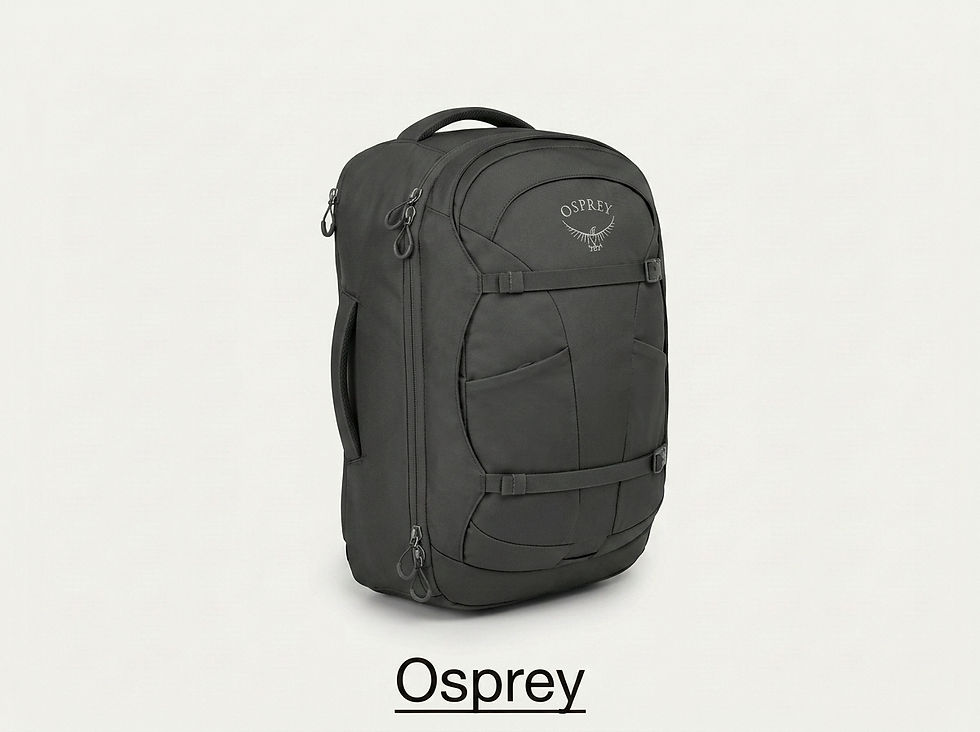
If you're flying Cebu Pacific with a genuinely full carry-on — camera gear, a laptop and charger, a few days of clothes — a bag built to the size limit rather than oversized and half-empty helps you see your real margin before you ever reach the counter. A carry-on-sized travel backpack that tops out near the 56 x 36 x 23 cm ceiling, packed with intention rather than stuffed to capacity, gives you room to absorb a small airport purchase without tipping over 7 kg.
None of this is unique to domestic hops, either — if Manila is a stop on a longer Southeast Asia itinerary, the same discipline about carry-on weight matters even more on the long-haul legs before you ever reach the Philippines. Our guide to sleeping on a 16+ hour flight without a lie-flat seat and our rundown of what TSA confiscates most often are both worth a read before you finish packing for a multi-country trip.
The Verdict
Cebu Pacific's 7 kg carry-on limit isn't the trap — the second, unannounced weigh-in at the gate is. Pack with real buffer, weigh your bag the morning of departure rather than trusting how it felt when you packed it, and remember that going over the limit doesn't mean repacking on the spot, it means paying the most expensive baggage rate the airline offers. If you'd rather not think about any of this on your own trip, it's exactly the kind of granular detail Zensseys builds into a full itinerary — a travel advisor handling a multi-country Southeast Asia trip flags airline-specific baggage rules before you ever pack a bag, not after you're standing at the counter.
Whether you want a free travel consultation to sanity-check a Philippines itinerary or full trip planning and booking, William Harris — a service-disabled veteran-owned advisor — is reachable directly by call or text at (210) 239-7540.
FAQ
Does Cebu Pacific really weigh bags twice? Yes. Check-in staff can weigh your carry-on at the counter, and gate staff can weigh it again before boarding. The gate check is the one most travelers don't expect, since they assume clearing check-in means they're done.
What happens if my carry-on is overweight at the gate? Staff reclassify it as checked baggage on the spot and charge the walk-up counter rate — there's no separate discounted "overweight carry-on" fee. You pay, it gets tagged, and it goes in the hold.
Is it cheaper to pre-purchase checked baggage online instead of paying at the airport? Almost always, yes. Walk-up counter rates run well above the pre-purchased online price for the same weight tier, so if you know you'll need a checked bag, buy the allowance when you book rather than waiting for the airport.
Can I combine two people's carry-on allowances into one bag? No. Each passenger's 7 kg allowance is individual and checked separately — you can't pool weight across travelers on the same booking.
Does the personal item under the seat get weighed too? It's less commonly weighed than the main carry-on, but gate staff can still ask about it if it looks oversized or overstuffed, particularly on a full flight. Treat it as genuinely small — a handbag or laptop bag, not a second carry-on in disguise.
About the Author
William Harris is the founder and lead travel advisor at Zensseys, a service-disabled veteran-owned luxury travel advisory specializing in Thailand, Vietnam, Indonesia/Bali, and the Philippines. Meet William and reach out directly for help planning your next Southeast Asia trip.




Comments