


Thailand Just Fast-Tracked Deportation for 'Immoral' Foreigners — Here's What It Actually Covers

The Short Answer
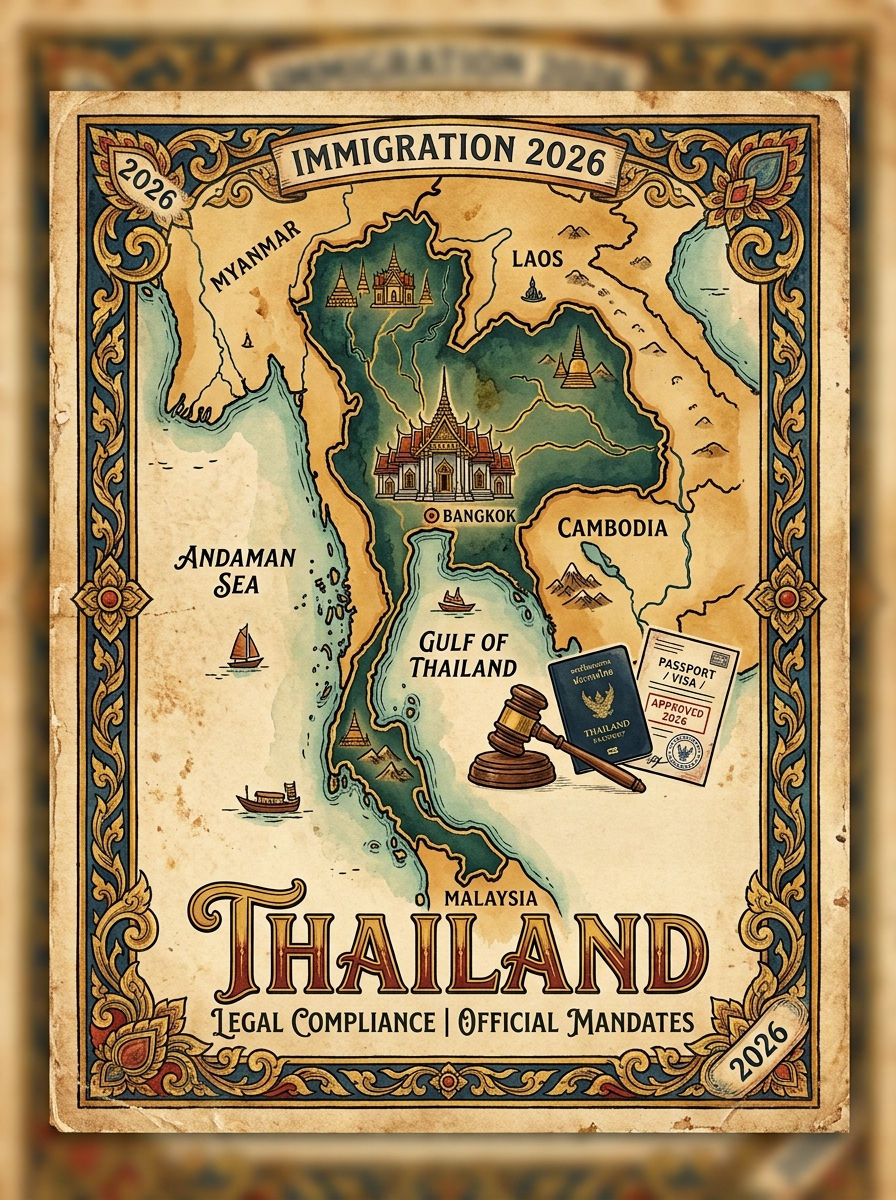
Yes — Thailand's Cabinet approved a new draft regulation on August 2, 2026 that fast-tracks deportation for foreigners whose conduct "clashes with Thai morals and societal norms." But read past the headline framing: the six specific categories it actually targets are illegal entry or overstay, illegal work, unlawful business ownership, document forgery, serious crimes carrying three or more years in prison, and being an accomplice to any of those. For a tourist who isn't working illegally, running an unregistered business, or breaking a serious law, this new rule changes almost nothing directly — it's a separate, earlier crackdown on public behavior that's more likely to affect an ordinary traveler, and the two are easy to conflate right now.
What the Cabinet Actually Approved on August 2
Deputy Prime Minister Pakorn Nilprapunt put forward the new regulation to replace Thailand's decades-old deportation process, which dates back to 1956 and required deportees to retrace their exact entry route, often forcing airlines to cover return flights for people who had entered the country years earlier and had no money to leave. The new framework lets the government pay for repatriation directly and moves deportation onto a much faster administrative timeline instead of the old case-by-case bureaucratic tangle. Foreigners convicted of serious crimes still face full prosecution and prison time first, and must be deported within 30 days of finishing their sentence once an order exists. This is a structural fix to how Thailand physically removes people who are already found deportable — not a new standard for what counts as bad behavior.
Zensseys Tip: If you only read the headlines about this, it's easy to assume Thailand suddenly created a vague new "morality police" power over tourists. What actually changed is the plumbing behind deportation, not the list of things that get you deported.
The Separate Rule That Actually Affects How Tourists Behave
The story that's easier to confuse with this one — and the one that's genuinely more relevant to a typical visitor — came out of Thailand's Interior Ministry back in May 2026. Interior Ministry permanent secretary Arsit Sampantharat ordered provincial authorities nationwide to take firm, immediate action against tourists who break the law, intimidate Thai citizens, or behave in ways that disrespect local culture, warning that offenders could have their visas revoked and be deported on the spot. That order followed a string of viral incidents, including a French couple who were arrested and deported in April 2026 after video of them having sex on a Phuket beach spread online. Thailand is a culturally conservative country outside its most tourist-heavy nightlife districts, and public displays that would draw little attention at home have led to real, fast deportations here.
Zensseys Tip: The practical rule of thumb hasn't actually changed: what feels acceptable on a beach club dance floor in Pattaya at midnight is not the same standard as what's acceptable on a public beach in daylight, near a temple, or anywhere families and locals are present.
What This Means If You're Planning a Normal Trip

If your Thailand trip involves sightseeing, working remotely without taking a local job, staying within your visa-exempt or visa window, and generally behaving the way you would as a guest anywhere else, none of the six new deportation categories apply to you. The categories that do matter for ordinary travelers are the ones that already existed: overstaying your permitted stay, which we've broken down in detail separately, and Thailand's broader tightening of visa-exempt stay length and entry rules that's been unfolding through 2026. This new fast-track deportation regulation is really aimed at undocumented long-term residents, unregistered business operators, and people using tourist status to work illegally — categories that rarely describe someone on a two-week vacation.
The One Honest Caveat Worth Knowing
Not everyone is comfortable with how broad the new framework's language is. The Bangkok Post has noted the draft regulation lacks clear guidelines for handling political asylum seekers, and Thailand has never signed the 1951 Refugee Convention — meaning people who've fled unstable situations elsewhere and are using Thailand as a temporary shelter could be swept into a faster deportation process without the nuance human rights advocates say the situation requires. That's a real and legitimate concern, but it's a different population than the typical Zensseys traveler booking a hotel escape or luxury consultation, and it's worth knowing the distinction exists rather than assuming the new rule is primarily aimed at tourists.
Practical Prep, Regardless of the Headlines
None of this changes the basics of a well-planned Thailand trip. It's still worth keeping your passport, visa stamps, and TDAC confirmation together in one place rather than scattered across a bag — a passport holder makes that easy to grab at both the airline counter and the immigration desk. And with document and entry checks tightening across the board this year, it's also a good moment to double check that your luggage itself won't cause its own delay — a Bluetooth luggage tracker is a small, cheap way to avoid a separate kind of headache entirely.
The Verdict
Thailand really did approve a faster, more centralized deportation system on August 2, 2026, and the government's own framing leans on language about morals and social norms that sounds broader than what the six actual categories cover. For most travelers, the practical takeaway hasn't shifted: don't overstay, don't work without authorization, and remember that Thailand's separate, ongoing crackdown on public behavior — not this deportation-process overhaul — is the one that's actually resulted in tourists being sent home this year. If anything about your visa timeline or documentation feels uncertain before a trip, a Zensseys Travel Consultation is worth five minutes before you fly.
Frequently Asked Questions
Did Thailand just create a new rule to deport tourists for "immoral" behavior?
Not exactly. The Cabinet approved a faster deportation process on August 2, 2026 built around six legal categories — illegal entry/overstay, illegal work, unlawful business ownership, document forgery, serious crimes, and being an accomplice. A separate Interior Ministry order from May 2026 is the one actually targeting public misbehavior like indecency and disrespecting local culture.
Could an ordinary tourist get deported under this new August 2026 regulation?
Only if they fall into one of the six specific categories — most commonly overstaying a visa or working illegally. It doesn't create a new, vague standard specifically for tourist conduct.
What actually happened with the French couple deported from Phuket?
That deportation happened under the earlier, separate May 2026 crackdown on public indecency after video of the couple on a Phuket beach went viral, not under this new August fast-track deportation process.
Does this affect how strict Thailand is being about visa overstays right now?
It affects how quickly someone is physically removed once they're deemed deportable, not the underlying rules about what counts as an overstay. Thailand's overstay penalties and enforcement have been tightening independently through 2026.
Should this change how I plan my Thailand trip?
For a typical tourist, no — the fundamentals stay the same: keep your visa status current, don't work without authorization, and be mindful of public behavior norms, especially outside major nightlife districts.
This article was written by William Harris, founder and lead travel advisor at Zensseys, a luxury travel advisory specializing in Thailand, Vietnam, and Indonesia. William tracks Thailand's immigration and enforcement news closely to help travelers separate real changes from headline noise.




Comments