

Bangkok's Snake Farm Isn't a Tourist Trap — It's Where Thailand Actually Makes Its Antivenom

The Short Answer
Bangkok's "Snake Farm" isn't a tourist gimmick — it's the working name for the Queen Saovabha Memorial Institute, a Thai Red Cross facility that has been producing Thailand's antivenom since 1923. The venomous cobras, kraits, and vipers you'll watch get milked here aren't defanged for the show; this is the real research process that keeps snakebite victims across the country alive, and tourists just happen to be allowed to watch part of it.
Why "Snake Farm" Is a Misleading Name
Here's the mental correction most visitors need before they go: this isn't a farm, and it isn't really a "show" in the theme-park sense either. It's a working medical research institute — officially the Queen Saovabha Memorial Institute, part of the Thai Red Cross — that happens to open a small, structured window of public access around its actual antivenom production work.
That distinction matters because Thailand has multiple attractions calling themselves "snake farms," and not all of them are run the same way. One traveler who researched both before visiting summed up the local reputation well: there's a "bad" version that functions as a straightforward tourist trap with animals treated as props, and a "good" one — this one — where the venomous snakes are cared for by trained herpetologists because the antivenom they produce is genuinely used in hospitals nationwide. If you've ever needed a letter of guarantee or wondered how a Thai hospital actually handles insurance for a serious bite or sting, the antivenom vial involved may well trace back to this exact building.
Zensseys Tip: If a Bangkok "snake show" is attached to a crocodile farm, an elephant camp, or a broader animal-entertainment park, it's almost certainly not this one. The Queen Saovabha Institute sits alone on Red Cross hospital grounds — no other animal attractions attached — which is itself a useful way to tell it apart from the commercial versions.
The Schedule Almost Every Blog Gets Slightly Wrong
This is where outdated or half-researched articles trip people up, and it's a legitimate source of confusion in traveler forums: the weekday and weekend schedules are genuinely different, not just "showtimes vary."
On weekdays (the institute is closed on public holidays), gates are open 9:30 AM to 3:30 PM, and there are two distinct shows: a venom extraction demonstration at 11:00 AM inside the 100-seat indoor theater, where handlers pin and milk live cobras in front of you, and a separate snake handling show around 2:00–2:30 PM outdoors, which ends with the free photo opportunity holding a large, docile python.
On weekends and public holidays, hours shrink to 9:30 AM–1:00 PM, and there's only one show — a snake handling demonstration at 11:00 AM. The venom milking show does not run on weekends. If watching an actual venom extraction is the reason you're going, you need a weekday, full stop.
Zensseys Tip: Arrive by 10:30 AM on a weekday if you want both shows and the museum without rushing. The venom show fills the small indoor theater fast, and there's real value in browsing the toxicology and snakebite exhibits upstairs between the two demonstrations rather than trying to cram everything into the 30 minutes before closing.
Why This One Is Different From Thailand's Other Snake Shows
Thailand's tourism industry has a documented problem with animal-attraction ethics, and snake shows are a frequent target of that criticism — some commercial operations do keep animals in poor conditions purely for entertainment value. The Queen Saovabha Institute is the counterexample travelers specifically look for. It's not a private for-profit venture; it's operated by the Thai Red Cross as part of a genuine public-health mission, and the snakes here retain their venom glands and natural defenses because removing them would defeat the entire research purpose. Handlers work with fully venomous king cobras, monocled cobras, and banded kraits using real technique, not theatrical shortcuts.
That distinction shows up in visitor accounts, too — reviewers consistently describe well-maintained, naturalistic enclosures rather than bare concrete pits, and note the museum's snakebite-injury displays are presented for genuine education (including, bluntly, photos of where people most often get bitten trying to handle snakes themselves) rather than shock value.
The Century-Old Backstory Nobody Mentions
The institute's roots trace back to 1912, but it formally opened on November 22, 1923, under the sponsorship of Queen Savang Vadhana, who was president of the Thai Red Cross at the time. It's reportedly the second snake farm ever established anywhere in the world, after Brazil's Instituto Butantan in São Paulo — and the first in Asia, making Bangkok's version considerably older than most visitors assume when they walk past the modest sign on Rama IV Road.
The current exhibition building, known as the Simaseng Building ("Four Snakes Building"), dates only to 2008, so the century-old institution and the relatively modern museum you'll actually walk through can feel a little mismatched — that's normal, not a sign you're in the wrong place.
What to Actually Expect When You Go
Admission runs around 200 baht for foreign adults and roughly 40–50 baht for children, with same-day re-entry included on one ticket — worth knowing if you want to catch both the museum and a show without paying twice. The institute sits at 1871 Rama IV Road in Pathum Wan, on the grounds of the Thai Red Cross headquarters next to a hospital complex, and it's an easy walk from the Sam Yan MRT station or a short stroll from Lumphini Park if you want to combine the two.
Bring water and expect the outdoor viewing area to run hot — Bangkok's midday sun is no joke, and the covered indoor theater is genuinely the more comfortable place to be for the venom show. A dedicated action camera is worth packing here too: a GoPro Hero action camera handles the low-light indoor theater and the fast movement of a cobra strike far better than a phone will, and a compact pair of Nocs Provisions compact binoculars let you actually see the handlers' technique from the back rows of the outdoor show without crowding the front.
Bangkok's Other Weird-But-Real Landmarks Worth Pairing With This
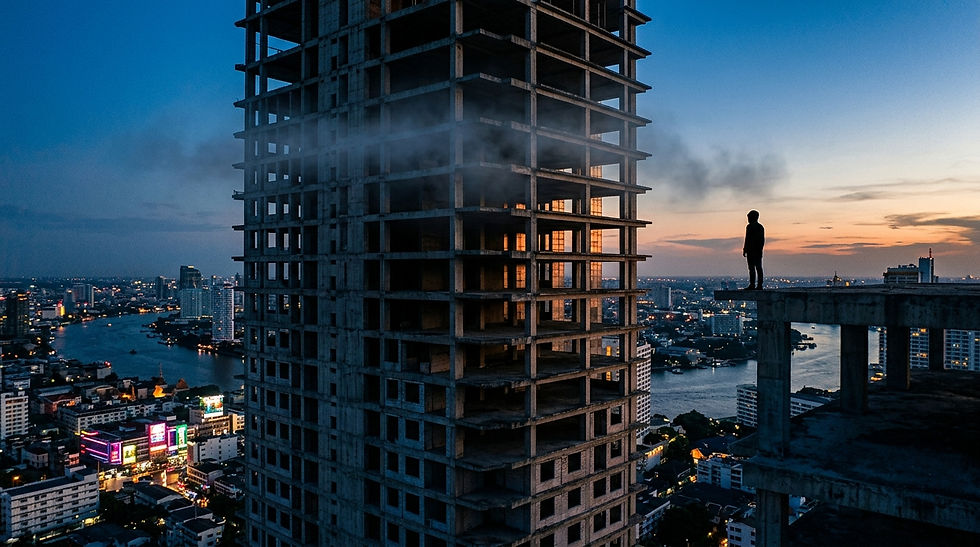
If a working antivenom lab sounds like your kind of Bangkok detour, you're the exact reader our guide to Bangkok's Ghost Tower was written for — the abandoned, half-finished skyscraper across town has its own reputation problem with outdated blogs. Snake enclosures aren't the only close-up wildlife encounters this country offers travelers either; we've rounded up the wildlife you can get this close to in Thailand that you genuinely can't experience back home.
The Zensseys Verdict
This is one of the rare Bangkok attractions where the "weird" factor and the "actually worth your time" factor line up completely. It's inexpensive, genuinely educational, ethically run compared to most alternatives calling themselves the same thing, and it photographs like nothing else on a typical Bangkok itinerary. Just build your visit around a weekday if the venom extraction show is the reason you're going, and treat the schedule as non-negotiable rather than flexible. If you're weaving this into a broader Thailand travel itinerary and want the timing to line up around everything else you want to see, that's exactly the kind of detail we build into a full trip planning and booking itinerary.
FAQ
Is the Bangkok Snake Farm actually the same as other Thailand snake shows? No. The Queen Saovabha Memorial Institute is run by the Thai Red Cross as a genuine antivenom research facility, distinct from commercial, for-profit "snake farm" attractions elsewhere in Thailand that have drawn criticism for animal treatment.
What time is the venom milking show, and does it run every day? The venom extraction show runs weekdays only, typically around 11:00 AM. It does not run on weekends or public holidays — those days feature a single snake handling show at 11:00 AM instead.
How much does it cost to get in? Around 200 baht for foreign adults and roughly 40–50 baht for children, with same-day re-entry included on a single ticket.
Are the snakes dangerous, or have they been defanged for safety? They're genuinely venomous, unaltered snakes handled by trained professionals — that's the entire point, since defanged snakes wouldn't produce usable research venom.
Is it worth combining with Lumphini Park? Yes — the park is a short walk away and makes a natural, shaded follow-up stop after the outdoor show, especially given how hot the snake farm's open-air viewing area gets by midday.
About the Author
William Harris is a service-disabled veteran and the founder of Zensseys, a luxury travel advisory specializing in Thailand, Vietnam, Indonesia/Bali, and the Philippines. Want a Bangkok itinerary that fits the weird, wonderful stuff in around the temples and rooftop bars? Book a free travel consultation or explore full trip planning and booking starting at $199, or call/text (210) 239-7540. You can also subscribe for more of this before it hits the blog.





Comments