


You Don't Need to Dive to Swim With Manta Rays in Komodo National Park
Most people assume swimming with a manta ray requires a scuba certification, a wetsuit full of gear, and years of dive experience. It doesn't. At Komodo National Park's most famous site, mantas glide through water shallow enough for anyone with a mask, a snorkel, and a reasonable comfort level in the ocean to swim right alongside them, no certification card required.

Do You Need to Be a Certified Diver to Swim With Manta Rays in Komodo?
No. Komodo National Park's signature manta site, Manta Point (Karang Makassar), sits in shallow water where snorkelers regularly swim beside reef mantas without any dive certification. Most day trips and liveaboards departing Labuan Bajo build snorkeling only itineraries specifically for non-divers, pairing manta encounters with Komodo dragon treks and Pink Beach in a single day.
That single fact changes the whole trip-planning conversation. If you've been quietly ruling out Komodo because you're not a diver, you were working off outdated information.
Where the Mantas Actually Are
Komodo's manta encounters center on two sites, and knowing the difference matters for planning.
Manta Point (Karang Makassar) sits in Central Komodo, about 45 minutes by speedboat from Labuan Bajo. It's a shallow rubble plateau where reef mantas gather at cleaning stations, and it's accessible on a standard day trip year-round. This is the site nearly every non-diver ends up at.
Manta Alley is in South Komodo, more remote, liveaboard-only, and known for the largest seasonal aggregations of the year. If you're chasing the biggest possible encounter and don't mind a multi-day boat trip, this is the upgrade.
Zensseys Tip: If a tour operator's itinerary just says "Manta Point," ask directly whether it's the Central Komodo site near Labuan Bajo or something else entirely. Some day-trip operators use "manta point" loosely for any spot where mantas occasionally pass through, and the difference in reliability is significant.

What It's Actually Like in the Water
Guides brief you before you go in: stay with the group, don't chase or touch the animals, and let them come to you. Then the boat idles, you roll off the side, and you're floating over a sandy plateau waiting.
When a manta appears, it doesn't look real. A wingspan of 12 to 16 feet moves through the water with almost no visible effort, circling back over the same patch of reef again and again as smaller fish clean parasites off its skin. Travelers consistently describe it as one of the most overwhelming wildlife encounters they've had, not because it's dangerous, but because nothing about a normal beach vacation prepares you for something that large moving that gracefully a few feet away.
It's not always calm, though. One traveler on a Labuan Bajo forum described the current at Manta Point as fierce, with their group calling it after roughly 20 minutes in the water, a good reminder that conditions vary by day and tide, and a strong current is a normal part of the experience, not a sign something's gone wrong.
Day Trip vs. Liveaboard: Which Fits Your Trip
Day Trip | Liveaboard | |
|---|---|---|
Best for | First-timers, tight schedules, non-divers who want a taste | Serious wildlife travelers, divers, multi-day explorers |
Duration | 1 day, 8 to 10 hours | 2 to 10 nights |
Access | Manta Point (Central Komodo) only | Manta Point and Manta Alley (South Komodo) |
What's included | Snorkeling, Komodo dragon trek, Pink Beach, lunch | Full itinerary: diving, snorkeling, multiple islands, onboard meals |
Booking lead time | 2 to 3 days minimum under 2026 rules | 3 to 6 months for peak season |
If this is your first trip to Komodo and you're not sure diving is for you, a day trip is the lower-commitment way to find out whether the underwater world here hooks you. It usually does.

When to Go
Komodo's dry season, roughly April through November, brings calmer seas and the best overall visibility for snorkeling and diving. Mantas themselves are resident at Manta Point year-round, this isn't a migratory pass-through spot, though exactly which months bring the largest aggregations varies depending on which local operator you ask, with some pointing to November through June and others favoring the mid-dry-season months. Rather than chasing an exact peak week, plan around the dry season for comfort and confirm current sighting patterns with your operator close to your travel dates.
July and August are the busiest months on land and water alike, so if you'd rather have Manta Point closer to yourself, the shoulder months of April to May or September to November are worth a look.
Know Before You Go: The 2026 Booking Changes
Komodo National Park changed how it manages visitors this year. As of April 2026, the park enforces a daily visitor cap across all zones, divers, snorkelers, and trekkers alike, and walk-in tickets are no longer available. Every visit now has to be booked in advance through the park's online reservation system, typically at least two to three days ahead, though popular liveaboard departures during peak season are booking three to six months out.
Zensseys Tip: Don't leave your Komodo booking until you land in Labuan Bajo. That used to be common advice, book on the ground, shop around, negotiate a rate, but the 2026 quota system has made that approach genuinely risky. Confirm your operator has secured your spot under the daily cap before you fly in, especially if you're traveling during July, August, or around a specific manta season.
Exact fee amounts have shifted more than once this year as park authorities finalize a new bundled pricing structure, so treat any number you see online as a starting point rather than gospel. Your tour operator will have the current figure when you book.
Who Should Actually Dive Instead
Snorkeling gets you real manta encounters, but it's not the complete Komodo experience. If you're already certified, or willing to get certified before your trip, diving opens up Manta Alley's larger aggregations, Komodo's famous reef shark sites like Castle Rock and Crystal Rock, and the chance at seasonal visitors like whale sharks and even hammerheads in the south. One reviewer who dove Manta Point years ago still describes it as one of the most amazing experiences of their travels, with mantas swimming directly over their shoulders at the safety stop.
If that kind of depth and access matters more to you than convenience, build in time for a PADI course or bring your certification with you.
What to Pack
A few things make a real difference on manta days specifically.
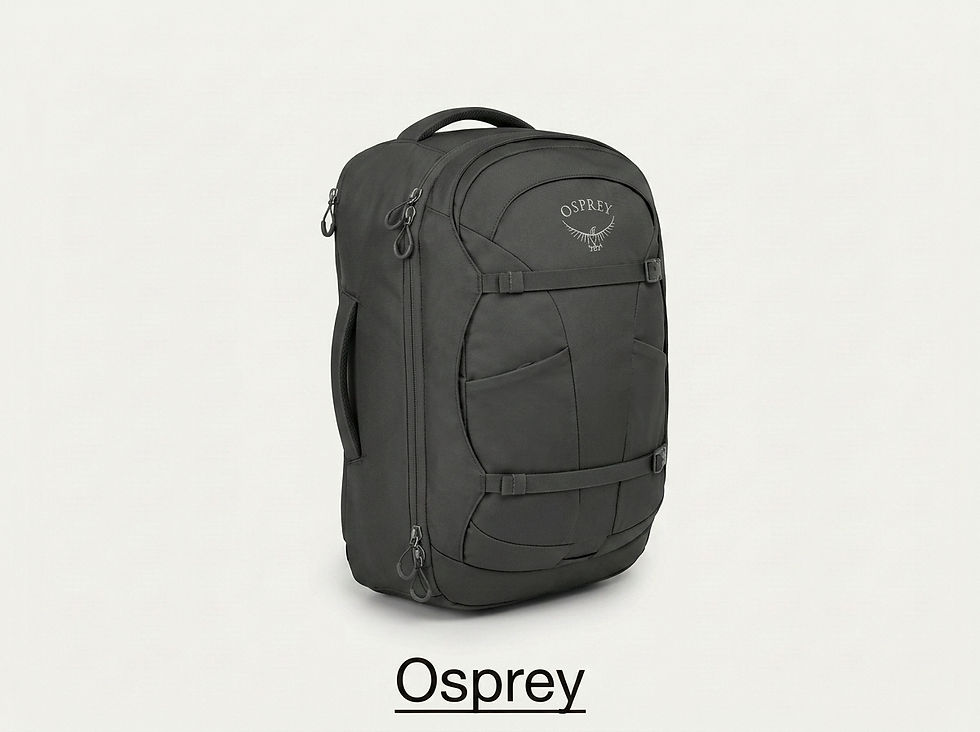
A GoPro Hero is close to essential. You will not regret having hands-free footage of a manta passing overhead, and a phone in a plastic bag isn't going to cut it in open water with current. Pack your electronics and anything you can't get wet in a YETI Panga waterproof dry bag, since boat spray and quick entries into the water are part of the day. And bring genuinely good polarized sunglasses for the boat ride. The glare off open water between islands is intense, and spotting mantas from the surface before you even get in is easier with polarization cutting the reflection.
Frequently Asked Questions
Is it safe to snorkel with manta rays? Yes, when you follow your guide's briefing. Mantas are filter feeders with no stinger and no interest in humans; the main real risks are current strength and sun exposure, not the animals themselves.
Do I need to be a strong swimmer? You should be comfortable in open water with some current and able to use a life vest if needed. It's not a pool-calm environment.
Can kids do this? Many operators welcome kids who are confident swimmers, though check the specific tour's age policy. Some day-trip operators exclude young children given the current at Manta Point.
How much does a day trip cost? Budget day trips from Labuan Bajo commonly run $80 to $150 per person including park fees, though private charters run considerably higher. Confirm what's included, since park entrance fees are sometimes billed separately.
If you'd rather skip the guesswork on timing, operators, and which season actually fits your priorities, a Travel Consultation is exactly the kind of trip Zensseys is built to plan around. Komodo has enough moving parts, quotas, seasonal tradeoffs, day-trip vs. liveaboard, that a little upfront planning saves a lot of on-the-ground scrambling.
Planning the Rest of the Trip
Komodo pairs naturally with a Bali stop before or after, and if you're weighing where to base yourself, Ubud vs. Canggu breaks down which fits different travel styles. It's also worth reading up on Bali's new entry requirements before you book flights, since Indonesia's entry rules have tightened alongside the Komodo changes this year. For the full picture of what Zensseys covers across the region, our Indonesia and Bali travel guide is a good next stop.
If you've swum with mantas in Komodo yourself, drop a comment with what surprised you most. Every trip report helps the next traveler know what to actually expect in the water.
About the Author
Zensseys was founded by William Harris, a veteran and lifelong traveler who has explored destinations across the U.S., Europe, the Middle East, and Asia. Every recommendation here is backed by real travel experience and a genuine passion for helping others travel with less stress and more excitement. Meet William
Travel More, Discover More.




Comments