

Thailand's Microclimates: A City-by-City Packing and Layering Guide
Thailand's Meteorological Department issued its eighth heavy-rain warning of the season on July 27, flagging flash flood risk across the North, Northeast, East, and the western coast of the South through July 30. It's a useful reminder for anyone packing for Thailand: the country isn't one climate, it's several, and the forecast for Bangkok on the day you land can look nothing like the forecast for Chiang Mai the same afternoon. Zensseys builds a lot of Thailand itineraries that move between two or three regions, and packing for one climate when you're actually visiting three is the single most common mistake we see travelers make.
This guide breaks Thailand down by region instead of by month, so it holds up whether you're traveling in January or July, and whether your trip is a week in Bangkok or a loop through the north and the islands.

What's the Best Way to Pack for Thailand's Different Climates?
Pack in layers built around one lightweight base wardrobe, then add region-specific pieces: extra breathability and sun protection for Bangkok and the south, a packable layer for cool Chiang Mai evenings, and reliable rain gear no matter where you're going, since Thailand's rainy season runs roughly May through October across most of the country.
Why Thailand Isn't One Climate
Thailand stretches more than 1,600 kilometers north to south, which is enough distance to put mountain evenings in Chiang Mai and humid sea-level nights in Bangkok on the same packing list. Broadly, the country has three seasons: a cool season from November through February, a hot season from March through May, and a rainy season from roughly May through October, though the exact timing shifts by region and the south can see rain patterns that don't match the rest of the country at all.
Zensseys Tip: If your trip touches more than one region, build your itinerary around the cool season (November through February) when possible. It's the one window where Bangkok, the north, and the islands are all comfortable at the same time.
Bangkok: Hot, Humid, and Holding Heat Overnight
Bangkok stays warm around the clock, even in the cool season, because the city's concrete and traffic hold heat well into the night. Daytime highs regularly hit the low-to-mid 30s Celsius (90s Fahrenheit) with high humidity, and even a short walk between the BTS and a restaurant can leave you sticky.
• Lightweight, breathable, quick-dry fabrics over anything heavy or synthetic that traps heat.
• A refillable water bottle, since Bangkok's heat and humidity make dehydration easy to underestimate between stops.
• Sun protection you'll actually use: sunglasses and a hat, since you'll be outside more than the forecast suggests once you factor in walking between BTS stations and street-level sightseeing.
A YETI Rambler insulated bottle keeps ice water cold for hours in Bangkok's heat, and a pair of Ray-Ban or Maui Jim polarized sunglasses earns its keep on the river, at the rooftop bars, and everywhere in between.

Chiang Mai and the North: Cool Mornings, Hot Afternoons, Burning Season
The north swings harder than anywhere else in Thailand. Cool-season mornings in Chiang Mai can dip into the mid-teens Celsius (upper 50s Fahrenheit), especially before sunrise, while the same afternoon can climb into the high 20s. Head up into the hills around Chiang Dao or Doi Inthanon and it gets noticeably colder again.
From roughly February through April, the north also enters its burning season, when agricultural burning across the region can leave the air visibly hazy, particularly in Chiang Mai and Chiang Rai. If you're sensitive to air quality, checking conditions before you travel during these months is worth the five minutes it takes.
• One packable layer, a light jacket or a fleece, that compresses down small enough to not eat your whole bag.
• Long sleeves for cool evenings and for trekking, where they double as protection from sun and mosquitoes.
• A rain jacket if you're traveling outside the dry cool season, since mountain weather changes faster than the coast.
A Patagonia travel rain jacket is genuinely the one piece that works across every region on this list, packable enough for Bangkok's humidity and warm enough layered over a shirt for a cool Chiang Mai morning.
Zensseys Tip: One local we've heard from more than once put it simply: December in Chiang Mai gets cold enough that residents break out the wool. Visitors used to Bangkok heat are almost always underdressed for a 6 a.m. temple visit in the north.
Phuket and the Andaman Coast: Sea Breeze, High Humidity, Monsoon Swells
Phuket and the Andaman coast run humid year-round, but the sea breeze takes the edge off compared to inland Bangkok. The bigger planning factor here is the monsoon: the southwest monsoon typically brings its roughest seas and heaviest rain to the Andaman side from around May through October, which affects everything from ferry schedules to which beaches are swimmable.
• Quick-dry swimwear and cover-ups, since you'll likely be in and out of the water multiple times a day.
• A waterproof dry bag for boat trips and island hopping, where a sudden squall or a wet longtail boat ride can end a phone's life in seconds.
• A light rain shell for the wet season, since Andaman downpours tend to be short but genuinely heavy.
A YETI Panga waterproof dry bag is close to essential for island hopping here, and if snorkeling or a boat day is on the itinerary, a GoPro Hero action camera handles the spray and the saltwater better than a phone ever will.
Quick Reference: Climate and Packing by Region
Region | Typical Temp Range | Key Packing Consideration | Best Layer Strategy |
Bangkok | 25–38°C (77–100°F) | Heat holds overnight; humidity is constant | Breathable base layer, sun protection, minimal extra layers |
Chiang Mai / North | 5–38°C (41–100°F) seasonally | Big swing between morning and afternoon | One packable jacket or fleece plus long sleeves |
Phuket / Andaman | 26–34°C (79–93°F) | Humidity year-round, monsoon swells May–Oct | Quick-dry fabrics, waterproof protection for gear |
For live conditions before you pack your bag, the Thai Meteorological Department publishes current forecasts and any active weather warnings for the whole country.
The Rainy Season Wildcard
Roughly May through October, most of Thailand sees a southwest monsoon that brings a mix of short, heavy downpours and genuinely stormy stretches, like the flash-flood warning in effect as this guide was written. Rain during this season is rarely an all-day event, more often an intense hour or two, but it's frequent enough that skipping rain gear entirely is a mistake almost every first-time visitor makes.
Zensseys Tip: Pack a rain jacket that also works as a light layer, rather than a bulky poncho you'll only use twice. It earns its space in the bag for the whole trip instead of just the rainy afternoons.

Building a Capsule Layering System for a Multi-City Trip
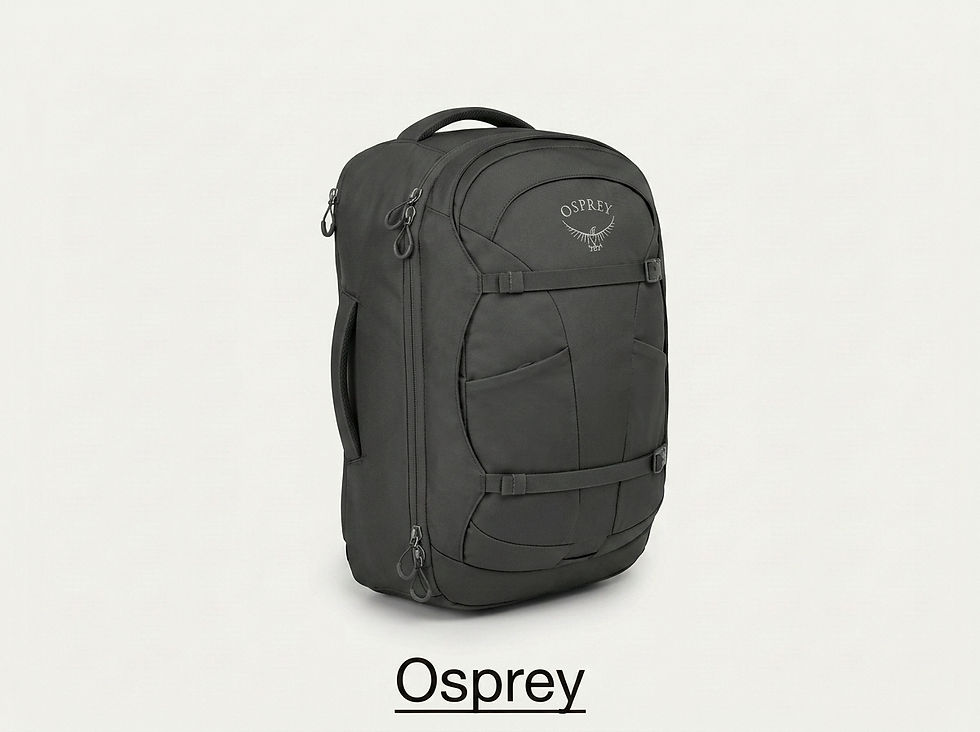
The travelers who pack best for Thailand aren't the ones with the most clothes, they're the ones with the most versatile ones. A handful of breathable base pieces, one packable rain-and-warmth layer, and a system for keeping it all organized as you move between climates does more work than an overstuffed suitcase. Eagle Creek packing cubes make it easy to keep your “north layer” separate from your “beach kit” so you're not repacking your whole bag every time you change cities.
If your route includes a temple stop in any city, keep one modest outfit, shoulders and knees covered, packed separately and accessible, since most major temples enforce dress codes regardless of the weather outside.
If your itinerary is still taking shape, our guide to the best things to do in Thailand is a good place to map out which regions you'll actually need to pack for.
What Travelers Actually Say About Thailand's Weather Swings
Forum threads on this exact problem go back decades, and the advice hasn't changed much because the climate hasn't either. One longtime Chiang Mai resident summed up the seasonal gap simply, warning that locals consider December “cold” and “will be wearing woollies.” Another traveler's advice for a multi-city Thailand and Southeast Asia trip was blunter still: “Don't take a winter coat. Layer, layer, layer.” Both track with what we tell Zensseys travelers every time a trip spans more than one region.

Frequently Asked Questions
Do I need warm clothes for Thailand?
Only for the north, and only in the cool season or at higher elevations. Chiang Mai mornings from November through February can be genuinely chilly, and mountain areas like Doi Inthanon can approach freezing before dawn. Bangkok and the southern islands rarely require more than a light layer for air conditioning.
What is Thailand's burning season and does it affect packing?
Burning season runs roughly February through April in northern Thailand, when agricultural burning causes hazy, sometimes poor air quality, especially around Chiang Mai and Chiang Rai. If you're visiting during these months and are sensitive to air quality, checking conditions and packing a mask as a precaution is worth considering.
Is it necessary to pack rain gear if I'm not visiting during monsoon season?
It's still worth it. Even outside the core rainy season, brief downpours happen across Thailand, particularly in the south. A packable rain jacket takes up almost no space and saves you from buying an overpriced poncho from a street vendor mid-storm.
Can one packing list work for a Bangkok-to-Chiang Mai-to-Phuket trip?
Yes, if it's built in layers rather than as three separate wardrobes. A breathable base layer works everywhere, a packable jacket covers the north and rainy days, and swimwear plus a dry bag cover the islands. The goal is versatility, not volume.
What's the most commonly forgotten item for Thailand's climate?
Sun protection that actually gets used, not just packed. Many travelers bring sunscreen and sunglasses but underestimate how much time they'll spend outside walking between attractions, and end up sunburned by day two.
Let Us Build the Itinerary Around the Weather
Packing for Thailand is easier once the itinerary is set, since the regions you're visiting determine the climates you're packing for. Zensseys can help build that itinerary around the season you're traveling and the regions that make sense for it. A Travel Consultation is a good place to start if you want a route planned around comfortable weather instead of working around whatever the calendar hands you, and our Thailand travel guide has more on planning across the country's regions.
Travel More, Discover More.
For a visual sense of how different Thailand's regions actually feel, this video is a good watch before you start packing:






Comments